
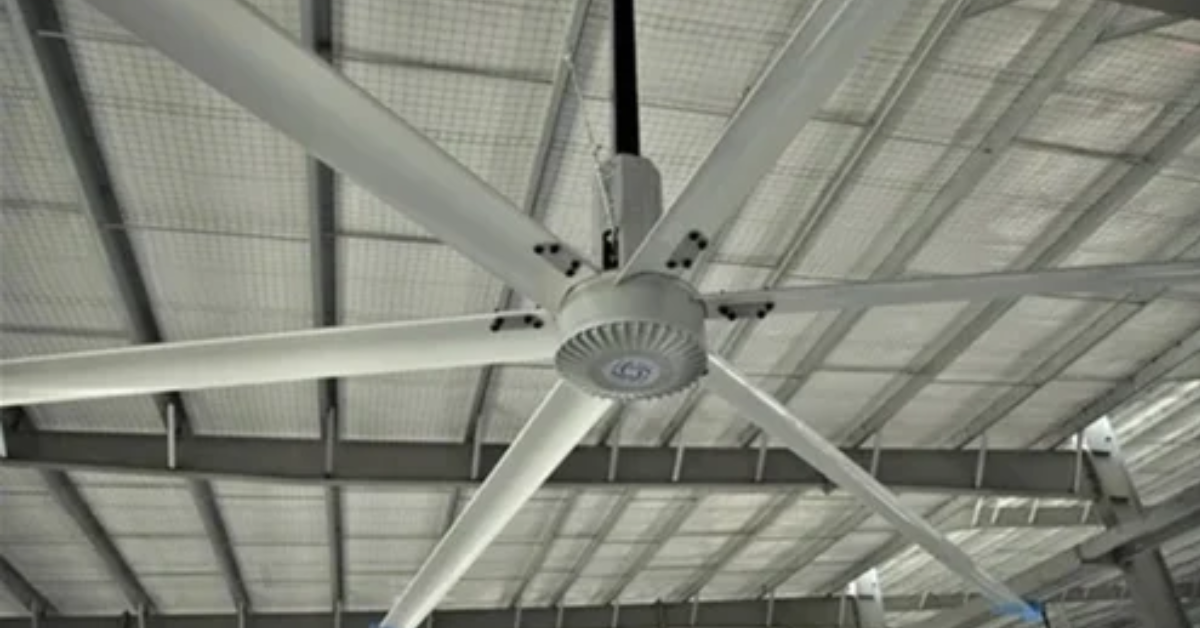
Commercial Ceiling Fan: How to Choose, Benefits, and Real‑World Value
If businesses had a wish list for a secret superpower, better air circulation with lower costs would be near the top. Commercial Ceiling Fan deliver exactly that — and then some. In this article, we’ll explore commercial ceiling fans in a clear, engaging, and practical way. You will learn what they are, why they matter, how to choose them, and how they help save money, improve comfort, and boost productivity.
Each part of this article is backed by trusted sources and real standards, so you can confidently use this information on your website. Let’s dive in.
What Is a Commercial Ceiling Fan?
A commercial ceiling fan is a heavy‑duty fan designed specifically for large spaces and constant use. Unlike residential fans, these units often have larger blade spans, powerful motors, and advanced airflow technology that can circulate vast volumes of air efficiently throughout commercial spaces. These spaces can include warehouses, retail shops, gyms, offices, restaurants, and industrial facilities.
These fans are typically larger and more robust than home ceiling fans and are engineered to keep spaces comfortable while lowering energy costs by assisting HVAC systems or reducing the need for heavy air‑conditioning.
Why Commercial Ceiling Fans Matter
Enhanced Comfort for People and Workers
Commercial spaces can get stuffy and uncomfortable, especially where heat builds up or airflow stagnates. A large ceiling fan improves circulation, creating a breeze that makes people feel cooler — and happier. In business environments, comfort matters.
For example, customers in retail spaces linger longer when the environment feels pleasant. A study by industry experts highlights how circulation from commercial fans enhances customer experience, indirectly encouraging longer stays and potentially increased spending.
Lower Operating Costs
One of the most tangible benefits of commercial ceiling fans is reduced operating expenses. By improving airflow and helping to mix hot and cold air evenly, these fans reduce a building’s dependency on HVAC systems. This can help businesses to:
-
Raise thermostat settings in summer without sacrificing comfort
-
Lower HVAC runtime
-
Reduce overall energy consumption
This is not exaggerated marketing fluff — energy experts explain that by assisting HVAC circulation and decreasing cooling load, commercial ceiling fans can meaningfully lower utility bills.
Better Air Quality and Health
Healthy indoor air isn’t just about comfort — it matters for productivity and well‑being. Proper airflow helps disperse contaminants, reduce stagnant air pockets, and control humidity levels. That not only makes the air feel fresher but can support a healthier environment overall.
Typical Uses of Commercial Ceiling Fans
Commercial ceiling fans are valuable in many contexts, and their role varies by space:
Warehouses and factories:
Large spaces often have uneven temperature distribution. Fans help destratify air — meaning warm air near the ceiling gets pushed down and cool air rises. This balances temperatures and reduces HVAC strain.
Retail shops and restaurants:
In spaces with high foot traffic, comfort creates better customer experiences. Fans help maintain a consistent temperature while adding a gentle breeze to enhance comfort.
Offices and commercial spaces:
Proper air movement can reduce hot or cold spots, making offices more productive and reducing complaints about stuffy air or uneven temperatures.
Event halls and gyms:
Spaces where large crowds gather benefit from continuous circulation to keep the environment visually and physically inviting.
How Commercial Ceiling Fans Work
Commercial ceiling fans move air using large blades attached to a powerful motor. The physics is simple but effective:
-
Blades rotate to push or pull air.
-
Large fan sizes (often exceeding 8–10 feet diameter) handle much more air at lower speeds.
-
Good blade design and proper installation height help eliminate dead air zones.
-
Many commercial fans integrate with HVAC systems to optimize airflow without forcing the HVAC units to overwork.
A properly sized fan can move thousands of cubic feet of air per minute — a far cry from smaller residential fans — and do so while minimizing noise and energy consumption.
Choosing the Right Commercial Ceiling Fan
Selecting the right fan is not random. Smart choices ensure efficiency, comfort, and cost savings.
Consider Airflow Capacity (CFM)
CFM — cubic feet per minute — measures how much air a fan moves. Higher CFM suits larger spaces. Offices may need around 3,000–6,000 CFM, while warehouses may use 10,000 CFM or more. Match CFM to your space for optimal performance.
Size and Blade Span
The larger the fan diameter, the more air it can move. For open spaces above 700 square feet, commercial models with a blade span of 10 feet or more are recommended.
Mounting Height and Position
Fans should be mounted with enough clearance to avoid wind tunnel effects or insufficient circulation. Typically, ensure at least three meters (around ten feet) of space between fan blades and the floor.
Energy Efficiency
Energy efficiency reduces costs and environmental impact. Look for models with energy‑efficient motors and, where applicable, certification to recognized energy standards. Such models can help businesses lower consumption and even meet regional efficiency regulations.
The Real Savings Potential
There’s no magic here, just evidence‑based results.
Commercial ceiling fans reduce cooling costs by enhancing air circulation, which means HVAC systems don’t have to work as hard. Third‑party industry guides note that efficient fans can slash utility expenses by as much as 30 percent over time, especially when strategically combined with HVAC systems.
The exact amount varies by space size, usage pattern, and climate, but the fact remains: better airflow means less wasted energy and lower bills. That matters for margins in businesses that operate long hours or in hot climates.
Installation and Maintenance Tips
Even the best fan is only as good as its installation. Here’s a quick checklist to keep things running smoothly:
Professional installation:
Hire trained technicians who understand structural supports, electrical integration, and safety clearances.
Balance and alignment:
Ensure fan blades are balanced. Poor balancing increases noise and decreases efficiency.
Routine cleaning:
Dust buildup reduces airflow and increases strain on motors. Periodic cleaning keeps the system efficient.
Inspect mounting hardware:
Loose fasteners can lead to wobble and early wear. A quick annual check prevents costly repairs.
Good maintenance extends fan life and protects your investment for years.
Regulations and Standards
In many regions, commercial fans must meet efficiency and safety criteria. For example, in the United States, energy standards specify minimum airflow efficiency levels for larger ceiling fans, often expressed as airflow per watt. These standards help buyers choose models that deliver performance without unnecessary power draw.
Following these guidelines not only ensures compliance but also supports long‑term cost savings and operational excellence.
Emerging Trends in Commercial Ceiling Fans
Technology keeps moving forward. Modern commercial fans now integrate:
-
Brushless DC (BLDC) motors for better efficiency
-
Advanced controls with variable speeds
-
Smart building integration
-
Quiet motor systems
These enhancements make commercial ceiling fans more efficient, easier to control, and better suited to connect with building automation systems. The fan market continues growing as businesses adopt smarter, greener technologies.
Commercial Ceiling Fans and Sustainability
Energy efficiency isn’t just a business metric — it’s a sustainability statement. Well‑chosen commercial ceiling fans reduce electricity consumption, which in turn lowers carbon emissions from power generation.
Energy efficiency programs around the world encourage businesses to opt for high‑efficiency equipment. Fans that deliver well‑balanced airflow help reduce HVAC reliance, which contributes to environmental goals in corporate sustainability strategies.
Final Thoughts
A commercial ceiling fan is more than just a tool to move air. It’s a smart investment in comfort, cost savings, and operational efficiency. Whether you’re managing a bustling retail store, a busy warehouse, or a climate‑controlled office, these fans help keep environments more pleasant and energy bills more manageable.
Smart selection and professional installation turn a simple device into a strategic asset. By focusing on airflow capacity, efficiency, and proper sizing, businesses can enjoy lasting benefits and tangible returns.
Our More Pages
https://help4seo.com/hvls-fan-singapore-the-ultimate-solution-for-large-scale-cooling-efficiency/
https://digital24hour.com/hvls-fan-supplier-singapore-the-smart-solution-for-large-scale-cooling/
https://topbizlists.com/commercial-ceiling-fan-efficient-airflow-solutions-for-large-spaces/
https://findtopbusinesses.com/industrial-fan-supplier-in-singapore-complete-guide-for-businesses/
https://medium.com/@loginmediaseoteam/high-volume-low-speed-fan-the-ultimate-solution-for-large-space-airflow-0c1133ffb2f0
https://medium.com/@loginmediaseoteam/industrial-ceiling-fan-singapore-the-smart-cooling-solution-for-large-spaces-99a3461daaa2
https://justpaste.it/lmvfv
https://justpaste.it/k25rb
https://coomisg.livepositively.com/industrial-fan-singapore-efficient-airflow-solutions-for-modern-industries
https://writeupcafe.com/industrial-fan-singapore-efficient-airflow-solutions-for-modern-industries