
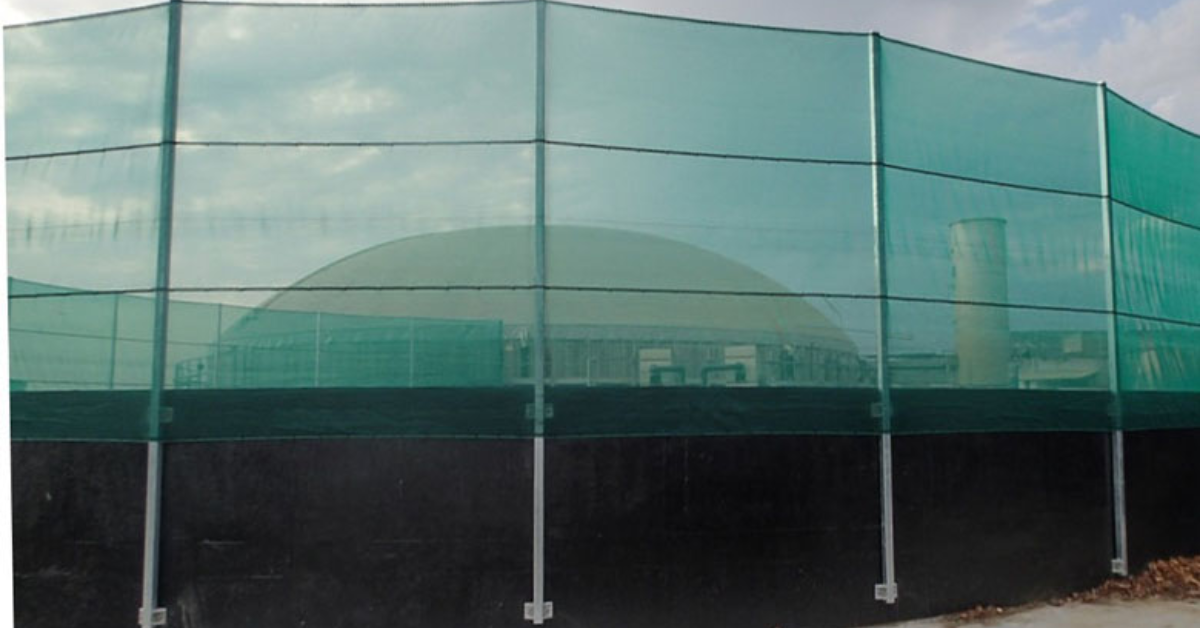
Scaffold Netting: A Complete Guide for Construction Safety
In the construction industry, safety is always the top priority. One essential tool that helps ensure safety on construction sites is scaffold netting. Scaffold netting provides protection for workers, pedestrians, and nearby property while construction work is ongoing. In this article, we will explore what scaffold netting is, its benefits, types, uses, and tips for proper installation.
What is Scaffold Netting?
Scaffold netting is a protective mesh that is installed around scaffolding structures on construction sites. It is designed to catch debris, prevent accidents, and provide a safe working environment. Typically made from durable materials such as polyethylene or high-density polyethylene (HDPE), scaffold netting is lightweight, weather-resistant, and strong enough to withstand the challenges of outdoor construction sites.
This netting is commonly used in residential, commercial, and industrial projects where scaffolding is required. It acts as a barrier between workers and the surrounding environment, reducing the risk of injuries from falling tools or debris.
Benefits of Scaffold Netting
Using scaffold netting on construction sites comes with numerous benefits:
-
Enhanced Safety for Workers
Scaffold netting reduces the risk of falling materials hitting workers on the ground. It creates a secure environment on the scaffolding platform and ensures that work can proceed without accidents. -
Protection for Pedestrians and Nearby Property
Construction often takes place in urban areas where people and vehicles pass close to the site. Scaffold netting helps prevent debris from falling and damaging nearby properties or injuring passersby. -
Compliance with Safety Regulations
Many countries have strict safety regulations for construction sites. Installing scaffold netting helps construction companies meet these regulations, avoiding penalties and ensuring a safe work environment. -
Weather Protection
Some types of scaffold netting provide partial protection against wind and rain. This reduces the risk of accidents caused by slippery scaffolding platforms or strong gusts of wind. -
Dust Control
Scaffold netting can contain dust generated during construction, which is especially important in residential areas. This helps minimize pollution and keeps the site cleaner.
Types of Scaffold Netting
There are several types of scaffold netting, each suitable for specific needs:
-
Standard Mesh Netting
Standard mesh netting is commonly used for general construction projects. It allows air to pass through while catching debris and tools. It is lightweight and easy to install on most scaffolding systems. -
High-Density Polyethylene (HDPE) Netting
HDPE netting is more durable and resistant to UV rays. It is suitable for long-term projects or sites exposed to harsh weather conditions. -
Fire-Retardant Netting
Some scaffold netting comes with fire-retardant properties. This type is ideal for construction projects that involve flammable materials, ensuring extra safety in case of fire hazards. -
Debris Netting
Specifically designed to catch falling objects, debris netting is thicker and stronger than standard mesh netting. It is commonly used in high-rise building construction.
Uses of Scaffold Netting
Scaffold netting has a wide range of applications in the construction industry:
-
High-Rise Construction:
In skyscrapers and tall buildings, scaffold netting prevents tools and construction debris from falling to the ground, ensuring safety for workers and pedestrians. -
Residential Renovation Projects:
Even small projects like house renovations benefit from scaffold netting. It prevents dust and debris from spreading to neighboring properties. -
Industrial Projects:
Factories, warehouses, and industrial units often require scaffold netting to maintain a safe working environment and comply with safety standards. -
Temporary Events and Stages:
Scaffold netting is not only for construction. It is also used for temporary structures, stages, or event setups where scaffolding is involved.
Installation Tips for Scaffold Netting
Proper installation of scaffold netting is essential for its effectiveness. Here are some key tips:
-
Check the Scaffolding Structure
Before installing the netting, ensure that the scaffolding is properly assembled and stable. Any weak points should be corrected to support the netting safely. -
Measure and Cut the Netting
Measure the height and width of the scaffolding before cutting the netting. Accurate measurement ensures complete coverage and prevents gaps that could be dangerous. -
Secure the Netting Properly
Use strong ties, ropes, or fasteners to attach the netting securely to the scaffolding. Loose netting can be ineffective and pose a safety risk. -
Inspect Regularly
Inspect scaffold netting regularly for tears, loose fittings, or weather damage. Replace or repair damaged sections promptly to maintain safety. -
Follow Manufacturer Guidelines
Always follow the manufacturer’s instructions for installation and maintenance. This ensures maximum safety and durability of the netting.
Safety Considerations
While scaffold netting greatly improves safety, workers should still follow proper construction protocols:
-
Always wear personal protective equipment (PPE) such as helmets, gloves, and harnesses.
-
Ensure scaffolding platforms are not overloaded.
-
Avoid standing directly under areas where work is being carried out, even with netting installed.
Conclusion
Scaffold netting is an essential safety solution for construction sites of all sizes. It protects workers, pedestrians, and property from potential hazards while promoting a cleaner and more organized work environment. With various types available and proper installation, scaffold netting ensures that construction projects can proceed safely and efficiently. Whether you are working on a residential renovation or a high-rise project, incorporating scaffold netting is a practical and necessary choice for construction safety.